
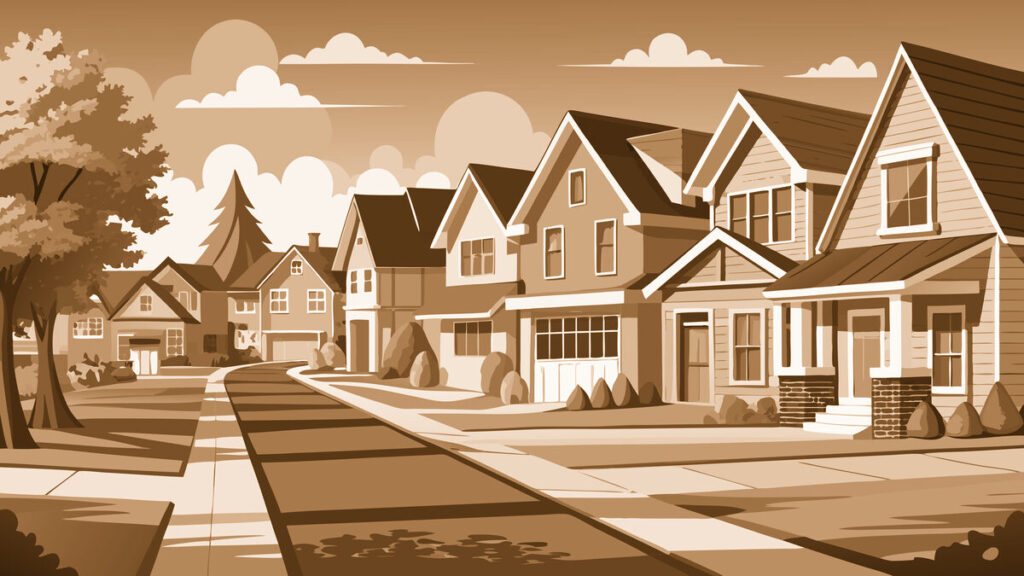
Nestled in the gently rolling landscape of Springfield, Illinois, Collingwood Estates is a neighborhood that embodies both historic charm and a vibrant, evolving community spirit. Over the years, its tree-lined streets and classic homes have become more than just addresses—they hold stories, memories, and a distinct sense of place. Join me as I explore Collingwood Estates’ origins, historic milestones, beloved landmarks, and the evolution that has shaped it into one of Springfield’s most cherished neighborhoods.
Origins: Planting the Roots of Collingwood Estates
The roots of Collingwood Estates stretch back to the postwar boom of the 1950s, a period when Springfield was experiencing rapid growth. As families sought the ideal blend of suburban tranquility and city convenience, developers saw promise in the area lying to the southeast of Washington Park. The rolling topography—an heirloom of old prairie land—lent itself naturally to a planned residential neighborhood.
The name “Collingwood Estates” was inspired by an English village, reflecting the mid-century American penchant for names that suggested heritage and stability. Local legend says the development’s founders, inspired by estates in the English countryside and their leafy, refined character, hoped their new neighborhood would evoke the same enduring quality. The name underscored a hopeful vision: Collingwood would be a place where generations could build lives and friendships.
Historical Milestones: A Tapestry Woven Over Decades
From the moment the first homes were built along Wabash Avenue and nearby streets like Devonshire Drive and Rollins Road, Collingwood Estates began to cultivate a unique identity. Early residents recall large community gatherings in the neighborhood’s formative years, with block parties and picnics becoming annual traditions.
Several key milestones marked Collingwood’s growth:
- 1960s: Construction expanded eastward, with ranch-style homes mixing with two-story colonials—today, these houses still offer a living snapshot of postwar suburban design.
- 1976: The neighborhood celebrated America’s Bicentennial with a widely attended parade down Collingwood Drive, cementing the spirit of unity and festivity that the neighborhood has retained.
- 1990s: The Collingwood Neighborhood Association was officially chartered, providing a formal structure for neighborly collaboration, beautification efforts, and advocacy on local issues.
Notable Landmarks and Institutions: Points of Pride
Every great neighborhood has its landmarks, and Collingwood Estates is no exception. While the area is primarily residential, it has several beloved gathering spots:
- Collingwood Commons Park: This small but beautiful green space on Devonshire Drive is the beating heart of neighborhood events. With its mature oaks, playground, and picnic shelters, it’s been the scene of countless summer evenings spent under a canopy of stars.
- Former Collingwood Schoolhouse: Though it now serves as a community center, the original red-brick schoolhouse on Ashbury Lane is a historic jewel. Built in 1965, it welcomed decades of learners before the school district consolidated its facilities in the 1990s. Today, the building hosts yoga classes, scout meetings, and Collingwood’s famous Halloween festival.
- The Gateway Oaks: Two immense white oaks near the entrance to Collingwood Estates are local icons—planted when the very first street was paved in 1956, these trees stand as living witnesses to generations of change.
Evolution: Blending Tradition and Tomorrow
Though Collingwood Estates remains rooted in tradition, it is by no means frozen in time. The 21st century has brought new families, fresh ideas, and thoughtful updates to the neighborhood’s classic homes. Longtime residents and newcomers alike value Collingwood’s peaceful ambiance and strong sense of community, where neighbors still lend a hand and kids ride bikes till dusk.
Several trends highlight how Collingwood Estates has evolved:
- Many mid-century ranches have been updated with energy-efficient windows and open-concept interiors, blending comfort with classic curb appeal.
- Community gardens now speckle the landscape, particularly in the Collingwood Commons area, reflecting a renewed interest in sustainability and local food.
- Annual events—like the Spring Plant Swap and the Collingwood Luminary Walk in December—have grown in size, drawing former residents “home” to reconnect.
- Proximity to Springfield’s best-loved institutions, including Washington Park and the historic Lincoln Home National Historic Site, continues to add appeal for both locals and new arrivals.
What Makes Collingwood Estates Special
What set Collingwood Estates apart isn’t just the architecture or the landscape—it’s the way neighbors look out for one another and the pride visible in every well-tended yard. The sound of laughter during summer cookouts, the glint of jack-o’-lanterns lining front walks in October, and the shared effort to beautify common spaces all speak to a legacy of connection.
For nearly seventy years, Collingwood Estates has offered not only lovely homes but also a true sense of belonging—an intangible heritage as enduring as the old oaks shading its quiet streets. For those who call it home, Collingwood Estates is more than a spot on the map. It’s a tapestry, woven slowly over time, with threads of tradition, neighborliness, and Springfield pride.